Category: Knowledge

  • What is an Electric Wire Rope Hoist? A Complete Guide to Differences and When to Choose It Over a Chain Hoist | Crane EGON

    What is an Electric Wire Rope Hoist? A Complete Guide to Differences and When to Choose It Over a Chain Hoist | Crane EGON

    When designing a crane system for industrial facilities, one of the key decisions engineers and business owners must make is selecting the right type of electric hoist.

    The two most commonly used options are:

    • Electric Wire Rope Hoist
    • Chain Hoist (Electric Chain Hoist)

    Although both serve the same primary purpose—lifting loads—their mechanisms and real-world performance differ significantly. In this article, Crane EGON takes you through a detailed comparison.


    What is an Electric Wire Rope Hoist?

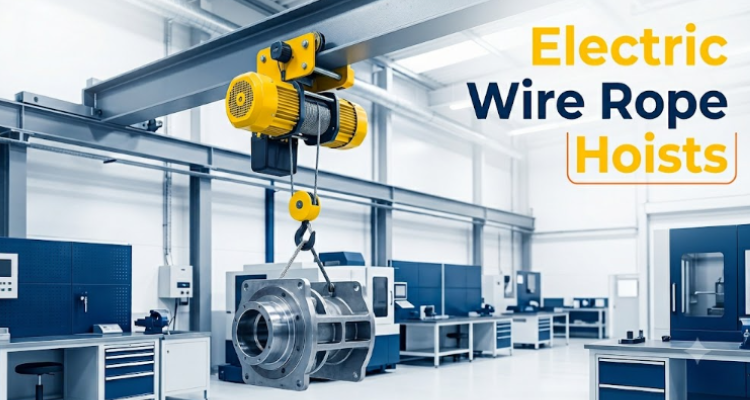
    An Electric Wire Rope Hoist is a lifting device that uses a steel wire rope wound around a drum and driven by an electric motor to lift or lower loads.

    It is specifically designed for heavy-duty industrial applications, offering:

    • High strength and durability
    • Smooth lifting performance
    • Compatibility with overhead crane systems

    It is commonly used in medium to large-scale factories.


    Comparison Table: Wire Rope Hoist vs Chain Hoist

    Feature Electric Wire Rope Hoist Chain Hoist
    Lifting Capacity Very high (typically 2–100+ tons) Low to medium (250 kg – 5 tons)
    Smoothness Very smooth, minimal load swing Slight jerking due to chain movement
    Speed Faster operation Moderate speed
    Heat Dissipation Excellent (ideal for continuous use) Moderate (may overheat with heavy use)
    Cost Higher investment More economical

    4 Key Signs You Should Choose a Wire Rope Hoist

    If you’re planning to invest in a new hoist, these conditions indicate that a wire rope hoist is the better choice:

    1. When Lifting Capacity Exceeds 5 Tons

    Although some chain hoists can handle up to 5–10 tons, for frequent heavy lifting above 5 tons, wire rope hoists provide:

    • Better structural stability
    • Improved load distribution
    • Higher safety margins

    2. When You Need High Precision and Smooth Operation

    Chain hoists operate via sprockets, which can cause slight vibration or jerky movement.

    In contrast, wire rope hoists offer:

    • Smooth drum winding
    • Stable load handling
    • Minimal swing

    Ideal for lifting:

    • Molds
    • Electronic components
    • High-value machinery

    3. When Lifting Height is High

    With chain hoists, excess chain is stored in a chain bag, which can become bulky and inconvenient at heights above 10–15 meters.

    Wire rope hoists:

    • Store rope neatly on the drum
    • Save space
    • Eliminate tangling issues

    4. When Operating Under High Duty Cycles

    For facilities running near 24/7 operations (e.g., steel plants, automotive factories):

    Wire rope hoists offer:

    • Superior heat dissipation
    • Heavy-duty motors and gear systems
    • Long-term durability under continuous use

    Conclusion

    Choosing an Electric Wire Rope Hoist from Crane EGON not only improves operational efficiency with faster and smoother lifting, but also represents a long-term investment in safety and reliability—especially for heavy-duty, continuous-use environments.

    If you’re unsure about:

    • The appropriate lifting capacity
    • The right specifications for your application

    The engineering team at Crane EGON is ready to provide consultation, system design, and full installation services, ensuring your crane system meets both performance goals and regulatory standards.
  • What is an Electric Hoist? Types, Working Principle, and How to Choose

    What is an Electric Hoist? Types, Working Principle, and How to Choose

    What is an electric hoist?
    An electric hoist is a lifting device powered by an electric motor, designed to raise, lower, and position heavy loads safely and efficiently in industrial environments.

    What are the main types of electric hoists?

    • Wire Rope Hoist
    • Chain Hoist
    • Low Headroom Hoist
    • Explosion-Proof Hoist

    How does an electric hoist work?
    It uses an electric motor to drive a lifting mechanism (wire rope or chain), controlled via a pendant or remote system to lift and move loads vertically and sometimes horizontally.

    How do you choose the right electric hoist?
    Consider load capacity, lifting height, working environment, and duty cycle to ensure safety and cost efficiency.

  • EGON Hoist for Foreign-Owned Factories in Thailand

    EGON Hoist for Foreign-Owned Factories in Thailand

    EGON Hoist 

    Lift Heavy Loads Safely & Efficiently in Your Warehouse or Factory 

    Moving heavy materials doesn’t have to slow down your operations. 
    EGON Hoist enables factories and warehouses in Thailand to work faster, safer, and more efficiently

    Why Choose EGON Hoist? 

    • High Performance – Continuous lifting without downtime
    • Reliable & Safe – Precise control reduces accidents
    • Easy Installation – Compatible with cranes and warehouse layouts
    • Long-Term Cost Savings – Durable design minimizes maintenance

    Models & Technology 

    • Electric Hoist: Fast, easy-to-use, ideal for general industrial use
    • Wire Rope Hoist: Heavy-duty lifting for industrial factories
    • Chain Hoist: Compact design for medium loads and limited spaces

    All models meet international safety standards 
    and come with EGON quality assurance

    Ideal For: 

    • Industrial factories and heavy manufacturing
    • Warehouses and distribution centers
    • Food & beverage manufacturing facilities
    • Industrial parts and components factories

    Consult EGON Hoist Specialists

    EGON Hoist experts in Thailand will help you choose, design, and install the right hoist solution 
    for maximum efficiency, safety, and cost savings. 

    👉 Contact us today for a consultation and quotation 

  • What Industries Are EGON Hoists and Cranes Suitable For?

    What Industries Are EGON Hoists and Cranes Suitable For?

    Why Choose EGON Hoists and Cranes? 

    EGON hoists and cranes are widely used in various industries due to their high-quality standards, reliable safety features, and operational efficiency. EGON hoists and cranes enhance material handling processes by improving convenience and reducing work time. 

    Types of EGON Hoists and Cranes and Their Applications 

    1. EGON Electric Hoists – Ideal for fast and heavy lifting operations in factories and warehouses.
    1. EGON Chain Hoists – Easy to use and durable, suitable for lifting light to medium-weight loads.
    1. EGON Wire Rope Hoists – Strong and highly durable, perfect for heavy-duty industrial lifting.
    1. EGON Overhead Cranes – Used in factories or warehouses for lifting and transporting materials.
    1. EGON Gantry Cranes – Suitable for outdoor material handling or large industrial areas.

    Key Factors to Consider When Choosing EGON Hoists and Cranes 

    • Load Capacity – Select the appropriate hoist or crane that can handle the required weight.
    • Lifting Height – Consider the height required for optimal performance.
    • Installation Space – Ensure there is enough space for effective crane installation.
    • Working Environment – Choose equipment suitable for specific conditions, such as high temperatures or wet areas.

    EGON hoists and cranes are excellent solutions for industries requiring efficient and safe lifting operations. Choosing the right equipment enhances safety and productivity. For more details, contact an authorized EGON distributor. 

  • Key Features of EGON Cranes and Hoists for All Lifting Applications

    Key Features of EGON Cranes and Hoists for All Lifting Applications

    EGON cranes and hoists are versatile tools designed to meet the demands of lifting applications in various industries. With modern features, durability, and top-notch safety, EGON cranes and hoists have earned international recognition for their superior performance and reliability. They are the ideal choice for heavy-duty lifting tasks and precise material handling in any environment.

    1. What Are EGON Cranes and Hoists?

    EGON cranes and hoists are advanced lifting equipment used in industrial environments to move heavy materials safely and efficiently. Made with cutting-edge technology and high-quality materials, EGON equipment is built to last and provide superior performance for a wide range of applications.

    2. Key Features of EGON Cranes and Hoists

    • High Durability: Built with materials that withstand heavy loads and harsh environmental conditions.
    • Modern Design: Engineered for versatility, making them suitable for various industries such as construction, manufacturing, and logistics.
    • Advanced Control Systems: Equipped with precise control systems to ensure safety and efficiency during lifting operations.
    • Long Lifespan: Made from high-quality materials that ensure long-term use and reduced maintenance needs.

    3. Benefits of Using EGON Cranes and Hoists

    • High Efficiency: Capable of lifting heavy loads quickly and smoothly, enhancing productivity.
    • Increased Safety: Designed with safety features to minimize the risk of accidents during lifting tasks.
    • Versatile Applications: Suitable for multiple industries such as construction, transport, and manufacturing, offering flexibility in use.

    EGON cranes and hoists are the perfect solutions for all lifting needs. With their durable construction, modern design, and advanced safety features, they are ideal for increasing productivity and ensuring safe operations across various industries. Investing in EGON lifting equipment is a wise choice for businesses looking for reliable, high-performance tools.

  • EGON Hoists and Cranes: For Maximum Safety and Efficiency

    EGON Hoists and Cranes: For Maximum Safety and Efficiency

    Hoists and Cranes: Their Importance in Industry 

    In the realm of heavy industry and construction, hoists and cranes play a pivotal role in enhancing work efficiency and ensuring employee safety. With modern designs and advanced technology, EGON hoists and cranes have become a popular choice among operators worldwide. 

    Highlights of EGON Hoists and Cranes

    High Safety Standards 

    EGON prioritizes international safety standards. Every component of its hoists and cranes is designed to minimize risks and instill confidence in users. 

    Superior Performance 

    Equipped with powerful motors and precise controls, EGON hoists and cranes can efficiently lift heavy loads, reducing operation time and boosting productivity. 

    Ease of Maintenance 

    EGON products are designed with simple structures for easy inspection and maintenance, helping to lower long-term costs. 

    Types of EGON Hoists and Cranes 

    EGON offers a variety of products to meet diverse customer needs, such as: 

    • Electric Hoists: Ideal for lifting heavy loads in factories and warehouses.
    • Overhead Cranes: Designed for moving large objects across wide spaces.
    • Rail-Mounted Cranes: Suitable for construction and heavy industries.

    Tips for Safe Use of Hoists and Cranes

    • Always inspect equipment before use.
    • Operate hoists and cranes according to the manufacturer’s guidelines.
    • Train employees to understand and safely use the equipment.

    EGON hoists and cranes are the perfect choice for those seeking to enhance efficiency and safety in industrial operations. With comprehensive features and high reliability, EGON is a brand you can truly trust for your hoist and crane needs. 

    If you’re looking for tools that make lifting and moving materials easier, EGON is the answer you shouldn’t overlook!

  • Basic Troubleshooting for Electric Hoists ?

    Basic Troubleshooting for Electric Hoists ?

    Electric hoists are crucial tools for lifting and moving heavy objects across various industries. To ensure smooth and efficient operation, knowing how to troubleshoot basic issues when errors occur is essential. This article provides detailed steps for basic troubleshooting of electric hoists to help you resolve problems quickly and safely.

    1. Hoist Not Operating or Responding

    Check Power Supply: Ensure the hoist is receiving power properly. Check the power plug, cables, and power source for any disconnections or damage.

    – Inspect Control Switch: Verify that the control switch is functioning correctly. Sometimes the switch may have issues or be worn out.

    Examine Fuses and Circuit Breakers: Fuses or circuit breakers may have tripped due to overload. Check and replace fuses or reset circuit breakers as necessary.

    1. Unusual Noise or Vibration

    – Check Fastenings: Ensure the hoist and its components are securely fastened. Tighten any loose parts.

    – Inspect Chain or Wire Rope: Check for entanglement or damage. A tangled chain or wire rope can cause noise and vibration.

    Examine Motor and Gears: Noise may result from worn gears or bearings in the motor. Replace any worn parts.

    1. Hoist Not Lifting Weight or Lifting Unevenly

    Verify Load Weight: Ensure the weight of the load does not exceed the hoist’s lifting capacity. Overloading can prevent the hoist from lifting.

    – Check Weight Distribution: Ensure the load is evenly distributed. Uneven loads can cause lifting issues.

    Inspect Brake System: The brake system might be faulty or worn out, preventing the hoist from lifting. Inspect and repair the brake system as needed.

    1. Hoist Moving Unevenly or Stopping Midway

    Check Rails and Pulleys: Ensure there are no obstructions or debris on the rails or pulleys.

    Verify Lubrication: Improperly lubricated hoists may not move smoothly. Check and lubricate the hoist according to the user manual.

    Inspect Wires and Connections: Loose or faulty connections can cause the hoist to stop. Check and secure all connections.

    Basic troubleshooting of electric hoists is vital for maintaining smooth and efficient operations. Following these steps will help you resolve issues quickly and safely. However, if you encounter problems that you cannot fix yourself, it’s best to call a professional technician for further inspection and repair.

    Ensuring safety while working with electric hoists is paramount. Learning basic troubleshooting and proper maintenance techniques will enhance safety and reduce the risk of accidents in the workplace.

    Lifting Professional

    Get more information :
    🌏 : info@egonhoist.com
    ☎️ : 088-874-7380

  • What Laws Are Relevant to Hoists ?

    What Laws Are Relevant to Hoists ?

    The use of hoists in industrial and construction work requires not only consideration of safety and efficiency but also adherence to relevant laws and regulations to prevent accidents and legal issues. This article will introduce you to the laws and regulations related to the use of hoists in Thailand.

    1. Occupational Safety Act B.E. 2554 (2011)

    This Act is the primary law that sets safety standards in the workplace, including the use of hoists, emphasizing accident prevention and employee safety. Key requirements include

    – Risk Prevention and Control Measures Employers must implement measures to prevent hazards from hoist use, such as regular inspection and maintenance.

    – Employee Training Employers must provide training for employees who use hoists to ensure they have the necessary knowledge and skills to operate them safely.

    Accident Reporting In the event of an accident involving a hoist, employers must immediately report it to the relevant authorities.

    1. Ministerial Regulation on Safety in the Use of Machinery and Lifting Equipment B.E. 2564 (2021)

    This regulation specifically addresses the use of machinery and lifting equipment, including hoists. Key provisions include

    Inspection and Maintenance Machinery and lifting equipment must be regularly inspected and maintained by qualified personnel.

    – Standards and Certification Hoists and lifting equipment must meet standards and receive certification from recognized agencies.

    Installation and Use The installation and use of hoists must follow the manufacturer’s manual and guidelines, ensuring they are installed in safe and secure locations.

    1. Thai Industrial Standards (TIS)

    The Thai Industrial Standards Institute (TISI) sets standards related to lifting equipment, including hoists, to ensure safety and quality. Key requirements include

    Quality and Safety Standards Hoists must be tested and certified according to relevant TIS standards.

    – TIS Mark Display Certified hoists must display the TIS mark to confirm compliance with the established standards.

    1. Laws on Inspection and Certification

    The inspection and certification of hoist safety are mandated by law, requiring accredited agencies to perform inspections and issue safety certificates to operators. Key requirements include:

    – Annual Inspection Hoists must be inspected by experts at least once a year.

    Certification Issuance After inspection, the inspector must issue a safety certificate to the operator.

    Using hoists in Thailand involves complying with various laws and regulations to ensure employee safety and avoid legal issues. Understanding and strictly adhering to these laws will help ensure the safe and efficient use of hoists.

    Compliance with the law not only helps prevent accidents and injuries but also builds trust among employees and stakeholders in a safe and standard-compliant work environment. Keeping up with and improving operations in accordance with the law is something every organization should prioritize.

    Lifting Professional

    Get more information :
    🌏 : info@egonhoist.com
    ☎️ : 088-874-7380

  • Basic Use and Maintenance of Hoists ?

    Basic Use and Maintenance of Hoists ?

    Hoists are essential tools for lifting and moving heavy objects efficiently and safely. Proper use and regular maintenance are crucial to ensure smooth operation and extend the lifespan of the hoist. This article provides easytofollow guidelines for basic use and maintenance of hoists.

    Basic Hoist Operation

    1. Pre-Use Inspection

    – Check the condition of the hoist, including the chain or wire rope, for any damage or wear.

    – Ensure the brake system is functioning correctly.

    Inspect additional accessories, such as hooks, for integrity and strength.

    1. Hoist Installation

    – Install the hoist in a suitable and safe position.

    Verify that the hoist is securely attached to a strong structure.

    1. Lifting Objects

    – Ensure the weight of the object does not exceed the hoist’s load capacity.

    – Securely attach the object to the hook or lifting accessory.

    – Lift the object slowly and gradually increase the height with caution.

    Avoid jerking the load or moving it quickly.

    1. Operation During Lifting

    – Control the lift with care and consistency.

    – Avoid lifting objects over people’s heads or moving them through areas with foot traffic.

    – If issues arise during lifting, stop immediately and investigate the cause.

    Basic Hoist Maintenance

    1. Cleaning

    – Clean the hoist, chain, or wire rope after each use to prevent dust and debris buildup.

    Use a dry cloth or brush to clean the hoist’s surfaces.

    1. Lubrication

    – Regularly lubricate the chain or wire rope with appropriate lubricant.

    Avoid using lubricants that could damage the chain or wire rope.

    1. Inspection and Adjustment

    – Inspect the chain or wire rope for wear or damage and replace if necessary.

    – Check the brake system and pulley operation for any issues.

    Adjust the tension of the chain or wire rope according to the user manual.

    1. Storage

    – Store the hoist in a dry and safe place, avoiding damp environments that can cause corrosion.

    Prevent heavy objects from being placed on top of the hoist or chain to avoid damage.

    Proper use and maintenance of hoists are crucial for safe and efficient lifting and moving of heavy objects. Regular inspection and maintenance will prolong the equipment’s lifespan and reduce the risk of accidents. Remember, correct operation and good maintenance practices not only ensure smooth workflow but also enhance safety for users and those nearby.

    Lifting Professional

    Get more information :
    🌏 : info@egonhoist.com
    ☎️ : 088-874-7380

  • How Do Chain Hoists and Wire Rope Hoists Differ ?

    How Do Chain Hoists and Wire Rope Hoists Differ ?

    In lifting and moving heavy objects, choosing the right hoist is crucial not only for efficiency but also for ensuring safety. Chain hoists and wire rope hoists are two distinct types of hoists, each with its own design, usage, and characteristics. This article explores the differences between chain hoists and wire rope hoists to help you make an informed decision.

    Chain Hoist

    Description and Operation

    – Chain hoists use metal chains to lift objects. The chain wraps around a pulley and rotates to lift the load.

    They can be operated manually or electrically.

    Advantages

    – Highly durable and strong, as the chains are made from wear-resistant metal.

    – Capable of lifting very heavy loads, making them suitable for heavy-duty tasks.

    – The chain length can be easily adjusted to meet various needs.

    Disadvantages

    – The chain’s weight makes chain hoists heavy and harder to move.

    Chains can become entangled, requiring regular maintenance and inspection.

    Applications

    Commonly used in industrial settings, construction sites, and warehouses where heavy objects need to be lifted and continuous operation is required.

    Wire Rope Hoist

    Description and Operation

    – Wire rope hoists use a metal rope made from twisted steel wires to lift objects.

    – The wire rope wraps around a pulley and rotates to lift the load. They can also be operated manually or electrically.

    Advantages

    – The wire rope is lighter than chains, making wire rope hoists lighter and easier to move.

    – Wire ropes are highly flexible and can withstand impacts and bending well.

    – The length of the wire rope can be easily adjusted, ideal for lifting objects over long distances.

    Disadvantages

    – Wire ropes are more prone to breaking or damage compared to chains, as steel wires can wear out.

    They require detailed maintenance and inspection to prevent breaking.

    Applications

    Typically used for lifting objects over long distances, in highrise construction, and in tasks that require flexibility.

    Choosing Between Chain Hoists and Wire Rope Hoists

    When deciding between chain hoists and wire rope hoists, consider the nature of the task and specific requirements. Understanding the advantages and disadvantages of each type will help you choose the most suitable equipment to enhance efficiency and safety in your work.

    Lifting Professional

    Get more information :
    🌏 : info@egonhoist.com
    ☎️ : 088-874-7380